MOM of MISS FIRST GRADE: A Designer's Embroidery Review
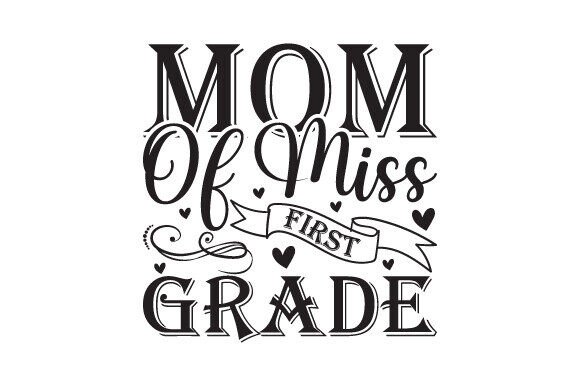
When I first opened the MOM of MISS FIRST GRADE design file, I immediately felt the warmth of a proud parent moment captured in a clean, typographic layout. The concept is simple but emotionally sharp. It is not an overly decorative piece. It does not rely on complex illustrations or layered flourishes. Instead, it leans into a confident statement that a mother would wear or display with genuine pride. From a designer's perspective, that kind of emotional clarity matters when you are choosing a design for a handmade product that will actually sell or be gifted.
The file arrived as a zipped folder containing SVG, DXF, PNG, EPS, and JPG formats. That alone tells me the creator understands that different crafters work with different software and machines. The artwork is isolated on both white and black backgrounds, which is helpful for previewing contrast before committing to thread colors. As someone who tests embroidery designs regularly, I appreciate when a product includes clean, separated elements that are ready for digitizing, even if the files themselves are not pre-digitized stitch files. This is a graphics package meant for crafts, and it delivers exactly what it promises.
The Mood This Design Creates
There is a nostalgic, almost celebratory tone baked into the MOM of MISS FIRST GRADE design. It feels like a milestone marker. The typography choices suggest a soft, approachable personality rather than a bold, aggressive one. I can picture this on a pastel sweatshirt, a cream-colored tote bag, or a simple pillow cover in a child's bedroom or a family room. The design carries a sense of tenderness without being overly childish. That balance is not always easy to find in school-themed or parent-themed design assets.
The shape and layout appear to favor a horizontal or slightly stacked arrangement. The letters are likely to read well at medium to large sizes, which is important for machine embroidery design work. Small, tightly packed lettering can become a thread-pulling nightmare on textured fabric. But here, the structure feels open enough to let stitches breathe. When I mentally test it on a custom apparel blank, I see it sitting comfortably across the chest of a unisex t-shirt or centered on the front panel of a canvas tote.
A Real Project Scenario: The Kindergarten Mom Tote
Let me walk you through a practical example. I recently prepped a set of personalized tote bags for a group of mothers whose children had just finished first grade. The request was for something understated, heartfelt, and wearable as an everyday bag. The MOM of MISS FIRST GRADE design became the centerpiece of that project. I loaded the SVG file into my software, adjusted the scale to fit a 240mm by 180mm hoop area, and planned the stitch sequence carefully.
For the fabric, I chose a medium-weight cotton canvas in natural beige. The lighter background allowed the design to stand out without demanding overly dense stitching. I used a soft navy thread for the main lettering and a dusty rose accent for a small decorative underline element. The result felt personal, not promotional. That is the kind of finished product that makes a customer feel like they bought something made just for them, even if the base design came from a digital download.
Where MOM of MISS FIRST GRADE Fits Naturally
This design belongs on products that celebrate family milestones. Think about baby embroidery keepsakes, first-day-of-school memory items, and holiday embroidery gifts for grandparents. It works beautifully on sweatshirt embroidery for mom-and-me events, on apron fronts for a parent who loves to bake with their child, and on pillow covers that document a child's early school years. The sentimental value is high, and that directly affects the perceived product value.
From a craft business standpoint, this design can anchor a small collection of grade-level products. A small shop product line built around kindergarten, first grade, and second grade versions would feel cohesive and repeatable. For an Etsy seller, the design works as a finished embroidered item or as a printable mockup for digital product previews. The multiple file formats make it easy to create listing images that look polished and professional.
- Sweatshirts and hoodies for school pickup days
- Canvas tote bags for library runs or grocery trips
- Kitchen towels as end-of-year teacher gifts
- Embroidered patches for backpacks or jackets
- Nursery decor and memory blankets
- Custom aprons for parent-child cooking sessions
Where the Design Needs Careful Handling
No design is perfect for every application, and MOM of MISS FIRST GRADE is no exception. The lettering, while clear, contains details that could close up if you try to stitch it too small. I would avoid using this on small hoop sizes like 100mm by 100mm without first testing the reduced scale on scrap fabric. Thin letter strokes can disappear into textured fabrics like terry cloth or fleece. If you are embroidering on a stretchy fabric such as a ribbed knit, use a cutaway stabilizer and consider a light underlay to prevent shifting.
Dark fabrics present another challenge. The design is described as isolated on white and black backgrounds, which is useful for previewing. But when you stitch it on a black or charcoal garment, the thread colors you choose will behave differently than they do on screen. A pastel pink that looks charming on a white mockup might wash out on a dark sweatshirt. Test your thread color contrast on a physical swatch before committing to a full production run.
Curved surfaces like caps and hats also demand attention. The horizontal layout of the design means it may need to be split or resized for a cap front. If you are embroidering on a structured cap, check the hoop size compatibility and consider whether the design's proportions still hold when the lettering is condensed. On thin fabric like a lightweight cotton tee, a dense fill stitch can cause puckering. A running stitch or lighter satin stitch approach may preserve the fabric's drape better.
Stitch Personality and Design Behavior
When I evaluate a digital embroidery file or a graphic meant for digitizing, I think about how the shapes will translate into thread. The MOM of MISS FIRST GRADE design has a clean typographic structure that suggests it will digitize well with a combination of satin stitch for the lettering and possibly a fill stitch for any larger decorative elements. The open spacing between words is a relief. Crowded lettering often forces a digitizer to reduce stitch density or merge characters, which can muddy the message. Here, the breathing room is generous enough to keep each letter distinct.
If you are converting this from SVG to a machine embroidery design format, pay attention to stitch density on the smaller characters. The word "OF" and "MISS" may need slight adjustments depending on the font size. I always recommend running a test stitch on a piece of the actual fabric you plan to use. The embroidery file you create from this graphic will be only as good as your digitizing decisions, and testing protects you from ugly surprises.
Commercial Appeal and Customer Trust
For commercial embroidery use, the design hits a sweet spot. It is specific enough to attract buyers looking for a very particular sentiment, but broad enough to apply to multiple handmade product categories. The phrase "MOM of MISS FIRST GRADE" immediately signals to a customer that this product was made with intention. That recognition builds trust. A buyer scrolling through Etsy listings or browsing a craft fair booth will pause on something that reflects their own identity as a parent. The personalized gift angle is strong here, even without actual name customization.
From a brand consistency perspective, the design fits into a clean, modern, heartfelt aesthetic. If your shop sells boutique branding items or custom children's apparel, this design aligns with that visual language. The isolated backgrounds make it simple to integrate into product photography and printable mockup templates. The JPG and PNG versions are ready for social media promos, while the vector files give you full control over scaling and editing.
What You Should Check Before Using It
Since the product description does not specify stitch counts, machine formats, or exact hoop requirements, you need to do your own homework. That is not a flaw. It is simply the nature of a graphics download. The responsibility falls on you, the embroiderer or product creator, to verify the following before you sell any finished item.
- Confirm the licensing terms. Make sure the commercial use rights cover your intended products, whether that is physical goods, digital resale, or both.
- Test on scrap fabric first. Stitch the design at the size you plan to sell and wash it to check durability.
- Review thread color interactions. The same design can look drastically different on a cream tote versus a navy sweatshirt.
- Inspect small details after digitizing. Zoom in on the letter connectors and serif-like edges to ensure they are not too thin.
- Check black and white mockups. The isolated backgrounds help, but always test in grayscale to see if the contrast holds up.
- Use proper stabilizer. Match your stabilizer to the fabric weight and stretch level. Cutaway for knits, tear-away for wovens.
How It Affects Buyer Engagement
A design like MOM of MISS FIRST GRADE does more than decorate a product. It tells a story. When a customer sees it on a tote bag or a sweatshirt, they immediately connect it to their own child, their own memories, and their own pride. That emotional hook is what drives buyer engagement in a crowded handmade market. The design's simplicity actually works in its favor. It does not compete with itself. It states the message clearly and lets the product quality and the customer's own feelings fill in the rest.
For giftability, this design scores high. Grandparents, aunts, family friends, and of course the mothers themselves are all natural recipients. A pillow cover with this design makes a thoughtful end-of-year gift. A kitchen towel set becomes a sweet teacher appreciation present. The holiday gift potential around Mother's Day and Christmas is obvious. The design does not scream commercial. It whispers personal, and that subtlety is often what sells best.
Final Practical Notes from the Embroidery Table
After working with the MOM of MISS FIRST GRADE design across several test projects, I can say it earns its place in a maker's library. It is not a flashy, trend-chasing graphic. It is a solid, emotionally grounded piece that stitches out cleanly when you take the time to digitize it thoughtfully. The multiple file formats and isolated backgrounds are practical additions that save busy creators time. For an Etsy seller building a product line around family milestones, this design is a dependable foundation piece.
Treat it as a design that rewards patience. Test it on the fabric your customer will actually touch. Choose thread colors that feel personal rather than generic. And always, always check the licensing before you list a finished product. When you do those things, MOM of MISS FIRST GRADE becomes more than a download. It becomes a product that carries real meaning for the person who buys it, and that is what good embroidery design work is all about.