Living That Sports Mom Life – Funny Embroidery Design Review
Last week, a client asked me to put together a quick Mother’s Day gift that would actually make her mom friends laugh. She runs a sideline cheer business, and her whole world revolves around snack schedules, carpool chaos, and weekend tournaments. I pulled up the Living That Sports Mom Life – Funny SVG, converted it into a machine embroidery design, and stitched it on a natural canvas tote bag. Here’s what I learned when I moved it from a digital cutting file to a threaded finished product, and what you should know before you use it for your own embroidery projects, craft business items, or personalized gifts.
First Impressions: The Humor and Layout of This Design
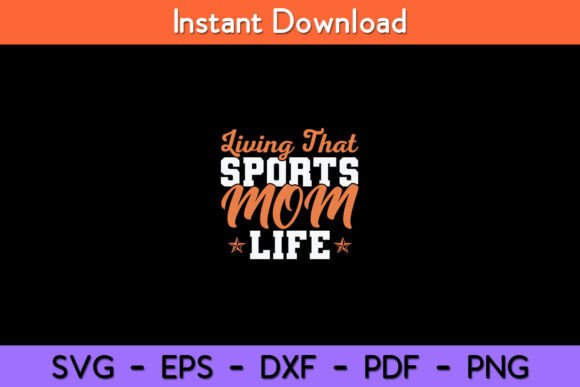
The design delivers exactly what the title promises. It’s a bold, playful declaration that proudly owns the organized chaos of a sports mom’s life. The typography has a slightly uneven, handwritten feel, which gives it an authentic, personalized gift vibe. That’s a smart choice—it makes the finished product look like something a friend might have doodled, rather than a stiff, mass-produced graphic. Tucked into the lettering is a tiny soccer ball icon, just enough visual interest to reinforce the theme without distracting from the words. Immediately, I could see this working on a sweatshirt, a cap, a kitchen towel for a tailgate, or even a baby onesie for a future sports mom.
As a designer, I also looked at the shape and layout. The text runs in a clean horizontal line, which means it fits naturally into a medium hoop and doesn’t demand an awkward rotation. The mood is lighthearted, a little cheeky, and very relatable. That’s the kind of personality that catches a buyer’s eye on an Etsy listing or a craft fair table. In the world of Graphics assets for Crafts, this one has a clear, focused identity that doesn’t try to do too much.
How This Design Translates to Machine Embroidery
When you’re working with a digital cutting file like this SVG, the first step is always to check how clean the vector artwork is. This one had smooth curves and relatively few unnecessary nodes, which made digitizing it into an embroidery file straightforward. I converted the main text into a satin stitch with a narrow width, and used a fill stitch for the soccer ball. The design’s moderate detail level meant I didn’t need to overly simplify it, but I did remove a few tiny decorative dots that would have been lost in thread or would have caused unnecessary stitch density. Those micro-details might look cute on a screen, but on a textured fabric they just turn into a blur.
If you’re planning to use this as a regular machine embroidery design, I’d recommend adding a running stitch underlay beneath the satin columns. That little step helps the top stitches sit flat and prevents the fabric from peeking through, especially on dark or textured backgrounds. The digital embroidery file you create will need to be tested with the specific thread colors and stabilizer you intend to use. I found that the white text popped beautifully against a natural canvas tote, but on a light gray sweatshirt, I had to darken the outline slightly to keep the readability.
Real Project Test: Stitching the Design on a Tote Bag
For the client’s gift, I chose a 10 oz cotton canvas tote in a warm natural tone. I loaded a 4x4 hoop with a medium-weight cutaway stabilizer, hooped the fabric tightly, and ran a test stitch. The lettering, which was about 1.5 inches tall, came out crisp and readable. The satin stitches laid flat without pulling on the canvas, and the thread colors—a bright white for the text and a neon orange for the ball—created a cheerful contrast. This is exactly the kind of tote bag design that catches someone’s eye at a farmer’s market or a sideline.
I also tested a slightly larger version on a unisex sweatshirt. The extra real estate allowed the text to breathe, and the humor felt even more at home on a comfy pullover. A sweatshirt embroidery project like this is a natural fit, because the design’s message is all about comfort and everyday wear. The client’s friends loved it, and one of them immediately asked if I could do a matching baby embroidery version for a onesie. That’s the kind of organic demand a well-chosen design can create.
Choosing the Right Fabric, Stabilizer, and Thread Colors
Fabric texture plays a huge role in how this design reads. On smooth cotton canvas, the satin stitch looked almost glossy. On a terry cloth kitchen towel, I had to use a water-soluble topping to keep the stitches from sinking into the loops. For stretchy fabrics like performance tees or onesies, a no-show mesh stabilizer and a lower stitch density are essential to prevent puckering. I always recommend testing on a scrap of the exact fabric you’ll be selling, because the same thread colors can look completely different on a ribbed knit versus a flat woven.
If you’re stitching on dark fabric, the white text will stand out, but you’ll need to ensure the stitch density is adequate. I added a second layer of underlay when I tested the design on a black apron, and that made the difference between a professional look and a cheap-looking product. Checking the design in a black-and-white mockup before you digitize is a habit that saves hours of frustration. It also helps you see whether the tiny soccer ball will still be recognizable when rendered in thread.
Where This Design Shines: Products That Fit the Personality
The humor in Living That Sports Mom Life – Funny is broad enough to appeal to a wide range of buyers, but specific enough to feel like a thoughtful gift. That’s a sweet spot for small shop owners. I’ve already seen my client reorder the finished tote bags for her boutique, and I can easily picture this design on a custom apparel line—think hoodies, caps, or even an embroidered patch sewn onto a baseball hat. The phrase works just as well on a pillow cover tossed onto a sideline chair, or on an apron for the mom who grills while the team warms up.
For Etsy sellers, this design is a conversation starter. A personalized gift that makes someone laugh is more likely to be shared on social media, which can drive organic traffic to your shop. The design’s personality does a lot of the heavy lifting for your brand, but only if the embroidery execution is flawless. A misaligned hoop or a thread break that leaves a gap in the lettering will instantly turn a funny message into a disappointing one.
Practical Considerations for Small Hoops and Tricky Fabrics
There are a few places where you’ll want to test thoroughly. If you’re using a small hoop size, like 2x2, the lettering may become illegible, especially if the digitized file wasn’t set up with a tiny lettering setting. I’d stick to a 4x4 hoop or larger for the best stitch clarity. The design’s horizontal layout also means it can look awkward on a heavily curved surface like the very front of a cap unless you adjust the arc. On a flat cap panel, it works fine, but on a structured curve, the straight line of text can fight the shape of the hat.
Stretchy fabrics and thin garments need extra care. A lightweight t-shirt can pucker if the stitch density is too high. I’ve learned to reduce the density by about 10% when stitching on a jersey or a soft cotton blend. And if you’re planning a holiday embroidery gift—say, for Mother’s Day—make sure you’ve tested the design on the exact blank you’ll be using. Last-minute surprises are wonderful, but a last-minute thread nest on a gift is not.
Selling the Finished Product: From Etsy Listings to Craft Fairs
If you’re an Etsy seller or a small shop owner, you’ll want to check the license that comes with the digital SVG. The product description mentions it’s an instant download for cutting machines, but if you’re digitizing it for embroidery and selling the finished product, you need to confirm that the seller allows commercial use of the design assets. Many SVG designers offer a personal use license only, and a separate commercial license for physical product sales. I always reach out and ask before listing anything that features a third-party design. It’s a simple step that protects your craft business and builds long-term trust.
When you do list a finished piece, the photography matters. A printable mockup can help you show the design on different products without having to stitch every single variation, but nothing beats a photo of the real embroidered item. Customers want to see how the thread catches the light, how the fabric drapes, and how the letters look in real life. That’s what turns a casual browser into a buyer.
Designer Notes: Testing, Tweaking, and Trusting Your Judgment
Before you sell or gift a product using this design, here are a few non-negotiable steps I always follow:
- Test on scrap fabric—the same weight and fiber content as your final product.
- Review thread color contrast by checking the design in black and white.
- Inspect stitch density; too dense and the fabric becomes stiff, too light and the background shows through.
- Confirm hoop size and ensure the design fits with a comfortable margin.
- Check small details like the soccer ball; if they’re too tiny, simplify them in the digitizing software.
- Use the correct stabilizer—cutaway for knits, tear-away for wovens, and a topping for high-pile fabrics.
- Verify licensing before you turn a digital embroidery file into a commercial product.
These steps aren’t exciting, but they’re what separate a professional finished product from a hobby attempt. The humor in this design will only shine if the stitching is clean and the placement is right.
Final Thoughts: A Smart Addition to Your Embroidery Files
Overall, Living That Sports Mom Life – Funny is a clever, versatile design that translates well to machine embroidery with a little digitizing care. It’s not the most intricate SVG out there, but that’s precisely what makes it a strong choice for wearable personalized gifts and small shop product lines. The sentiment is on point, the humor is genuine, and if you’re willing to spend an hour testing and tweaking the stitch file, you’ll have a product that feels like it was designed just for the sports mom in your life. For a craft business looking to add a funny, relatable piece to its lineup, this design is a solid, low-risk pick with real buyer appeal.